
Electric tilt-rotor UAV
SE2C
Vertical accessWing-borne cruiseAll-electric
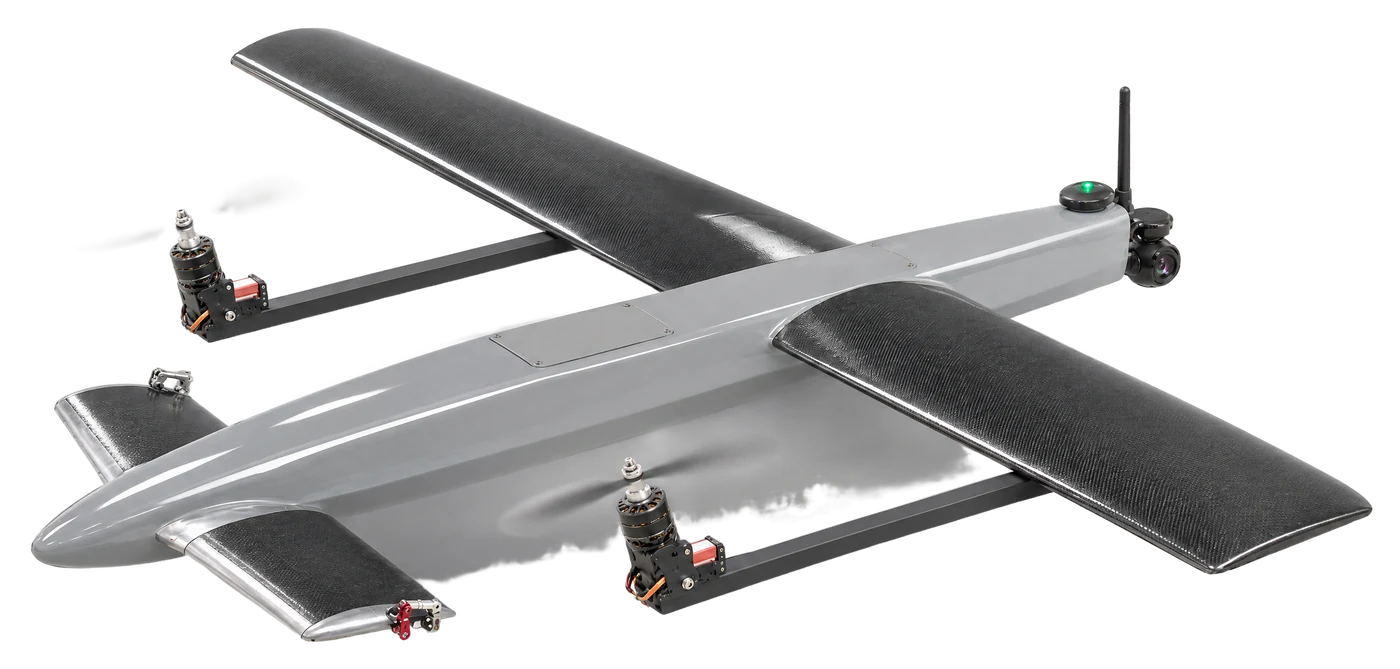
An electric tilt-rotor UAV that takes off vertically and cruises on its wing: 120 minutes in the air, 30 km of range and a 4,500 m ceiling, with the EO/IR payload mounted clear at the rear.
- Tilt-rotor VTOL
- 120 min
- 30 km
- 4,500 m ceiling
- EO/IR
Why it wins
- 120 minEndurance
- 30 kmRange
- 4,500 mService ceiling
- 6–7 kgMTOW
About
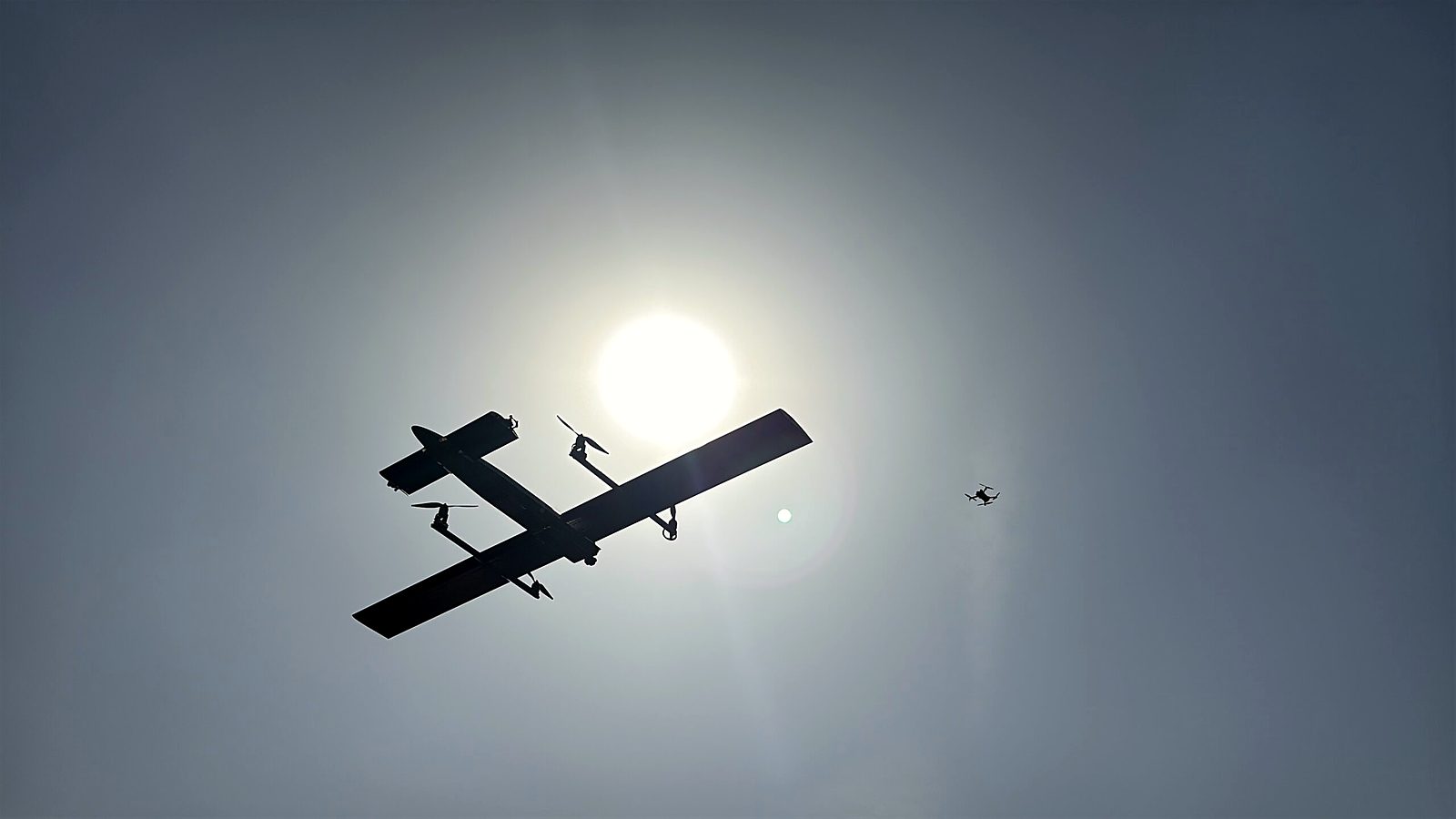
SE-2C lifts off like a multicopter, then tilts its two front rotors forward to cruise on the wing. A blown canard keeps it stable at high angles, and differential thrust replaces the vertical tail, which saves weight for endurance.
Tilt. Cruise. Watch.
Flight test
Tilt. Cruise.
SE-2C in forward flight with its rotors tilted for cruise.
- 120 minEndurance
- 75 km/hCruise
- 30 kmRange
Tech specs
| Specifications | |
|---|---|
| MTOW | 6–7 kg |
| Airframe | Carbon-Kevlar composite |
| Power plant | Brushless electric |
| Propulsion | Dual forward tilt rotors |
| Range | 30 km |
| Endurance | 120 min |
| Cruise speed | 75 km/h |
| Max speed | 100 km/h |
| Operating altitude | 500–1,000 m AGL |
| Ceiling | 4,500 m AMSL |
| Payload | EO/IR |
| Wind resistance | 12–15 km/h |
SE-2C
Electric tilt-rotor UAV
- Tilt-rotor VTOL
- 120 min
- 30 km
- 4,500 m ceiling
- EO/IR
Features
- Tilt-rotor VTOL
Lifts off vertically; the front rotors tilt forward for cruise.
- Blown canard
Cuts induced drag and delays airflow separation.
- No vertical stabiliser
Differential thrust steers, saving weight.
- Carbon-Kevlar airframe
A light, tough composite structure.
- Rear EO/IR payload
Unobstructed day and night view.
- 4,500 m ceiling
Operates at 500–1,000 m above ground.
Possible enhancements
Options and upgrades we can build in for your requirement. Ask for any of them in your enquiry.
- OptionTarget detection and following
On-board detection that locks on and follows a target.
- OptionNight and low-light tracking
Tracking and following after dark.
- OptionVisual navigation
Navigation where GNSS is denied or jammed.
- OptionStance and gait detection
Flags threatening posture with an active alert.
- OptionPrecise visual landing
Lands on a marked point without GNSS.
- OptionSwarming (in development)
Cooperative missions with other drones and ground robots.
Applications
 Border and corridor patrolTwo hours of wing-borne surveillance from a small launch spot.
- Police and public safetyQuiet electric overwatch above events and incidents.
- Infrastructure inspectionLong, efficient runs along roads, pipelines and power lines.
Train on DroneSim before you fly
Build stick skills, wind discipline and mission tactics on a physics-true simulator, then take the real airframe up.
In the field
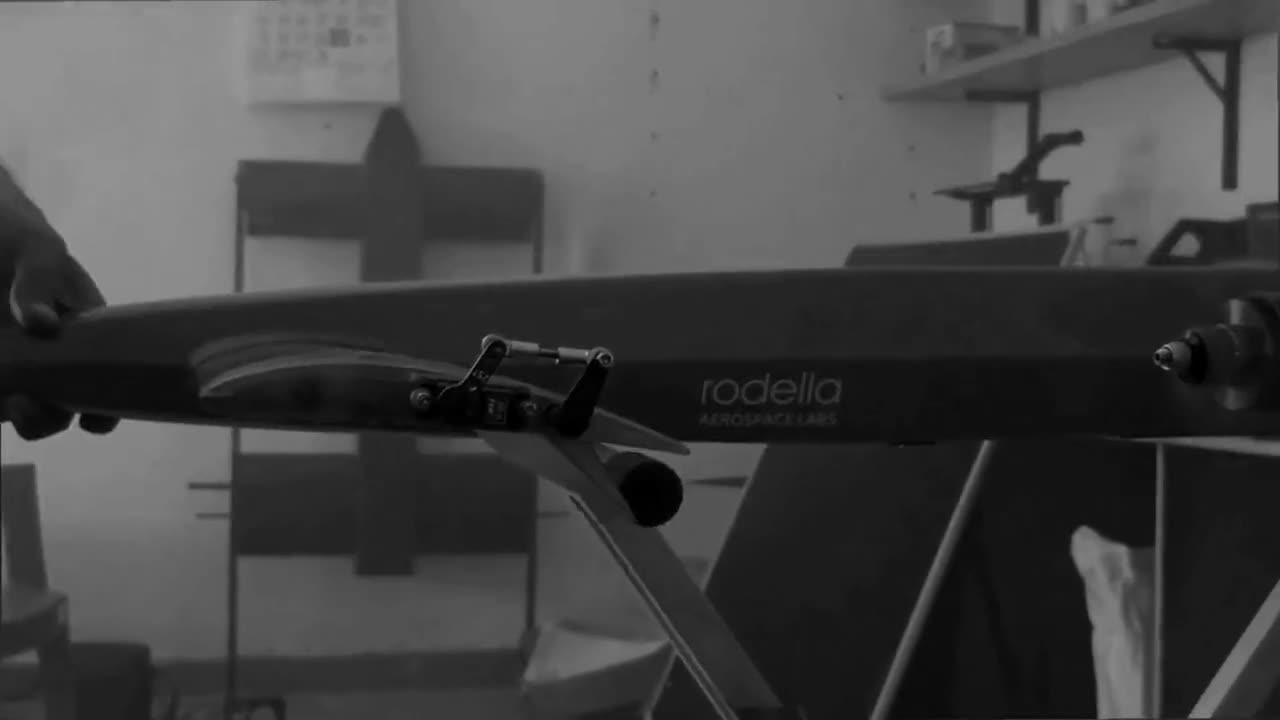
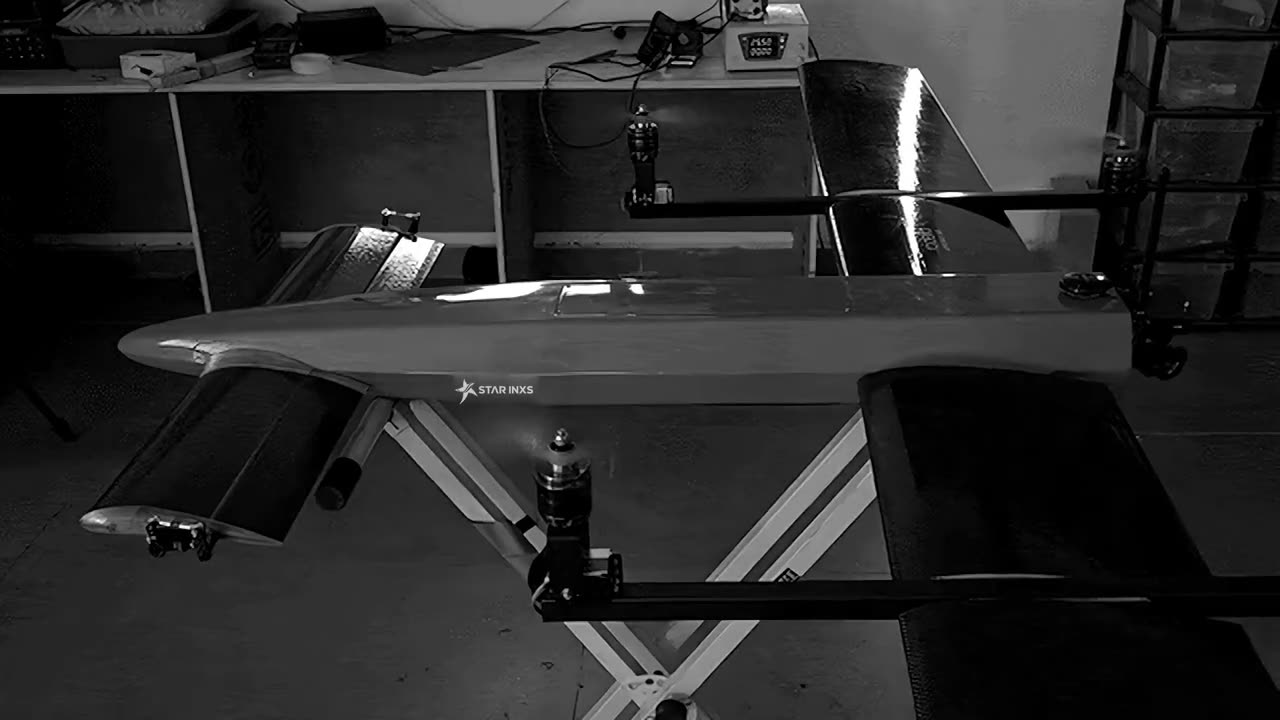
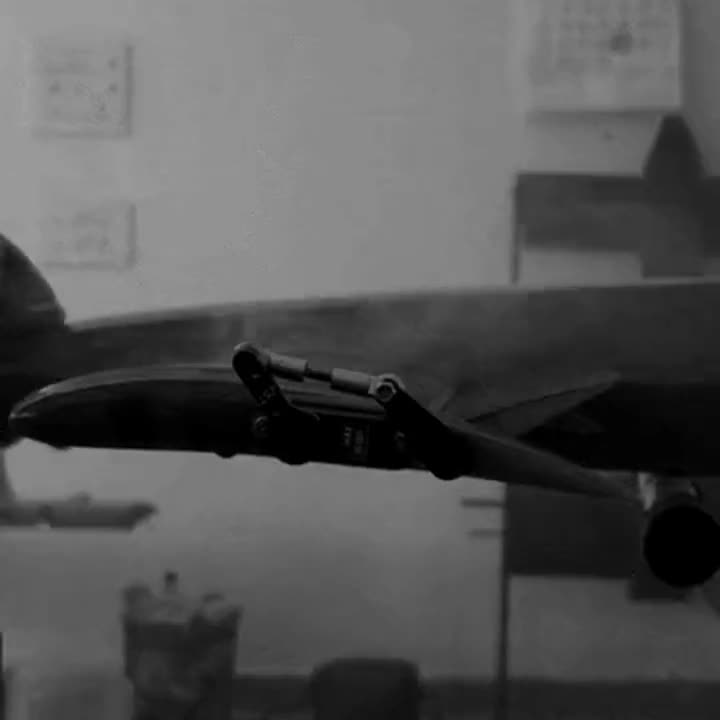
SE-2C on trials, in training and in our workshop.
In flight, rotors tilted forward for cruise
Integration in our workshop
Common questions
How does SE-2C take off?
Vertically, like a multicopter. Its two front rotors then tilt forward and it cruises on the wing.
How long can it fly?
Up to 120 minutes, with 30 km of range and a 75 km/h cruise speed.
What does it carry?
An EO/IR payload, mounted at the rear so the rotors do not block its view.
Why does it have no tail fin?
Differential thrust from the rotors steers the aircraft, which saves weight and adds endurance.
Buying and support
How do we buy from Star INXS: GeM, tender or direct?
All three. We support purchases through GeM, open and limited tenders, defence portals and direct purchase orders. Our Tender & GeM desk shares OEM authorisations, technical compliance statements and bid documents for your requirement.
How long does delivery take?
It depends on the product, the quantity and the configuration. We confirm the delivery schedule in the budgetary quote.
What warranty and support do you give?
Every quote states the warranty period and what it covers. After delivery we support you with spares and maintenance. Tell us your tender's warranty and AMC conditions and we will respond to them.
Do you train our operators?
Yes. We train your operators and maintainers at handover. For drones, pilots can build their skills first on DroneSim, our flight simulator.
Can we see a demonstration?
Yes. Ask for a demo in your enquiry. Simulators can be shown at our facility, at your unit or online; for drones and range equipment we arrange a demonstration to suit the requirement.
Who can buy your products?
Armed forces, CAPF, state police, PSUs, training institutes and private companies, depending on the product. Strike systems are supplied only to Indian government and authorised defence users.
Product brochure
Take the SE-2C brochure with you
Overview, key features, full tech specs and contact details in a printable A4 brochure. Share it with your team or attach it to a requirement.
Behind every Star INXS drone
Built and supported in-house
- Ground control & datalinkRugged GCS, FHSS anti-jam radio, AES encryption.→
- SoftwareGNSS-denied navigation and our own ground station.→
- Technology & R&DOn-board AI, airframes and composites.→
- Custom & OEM buildsAirframes and payloads to your specification.→
- Facilities & labsDesign, machining, composites and flight test in-house.→
More in VTOL UAS
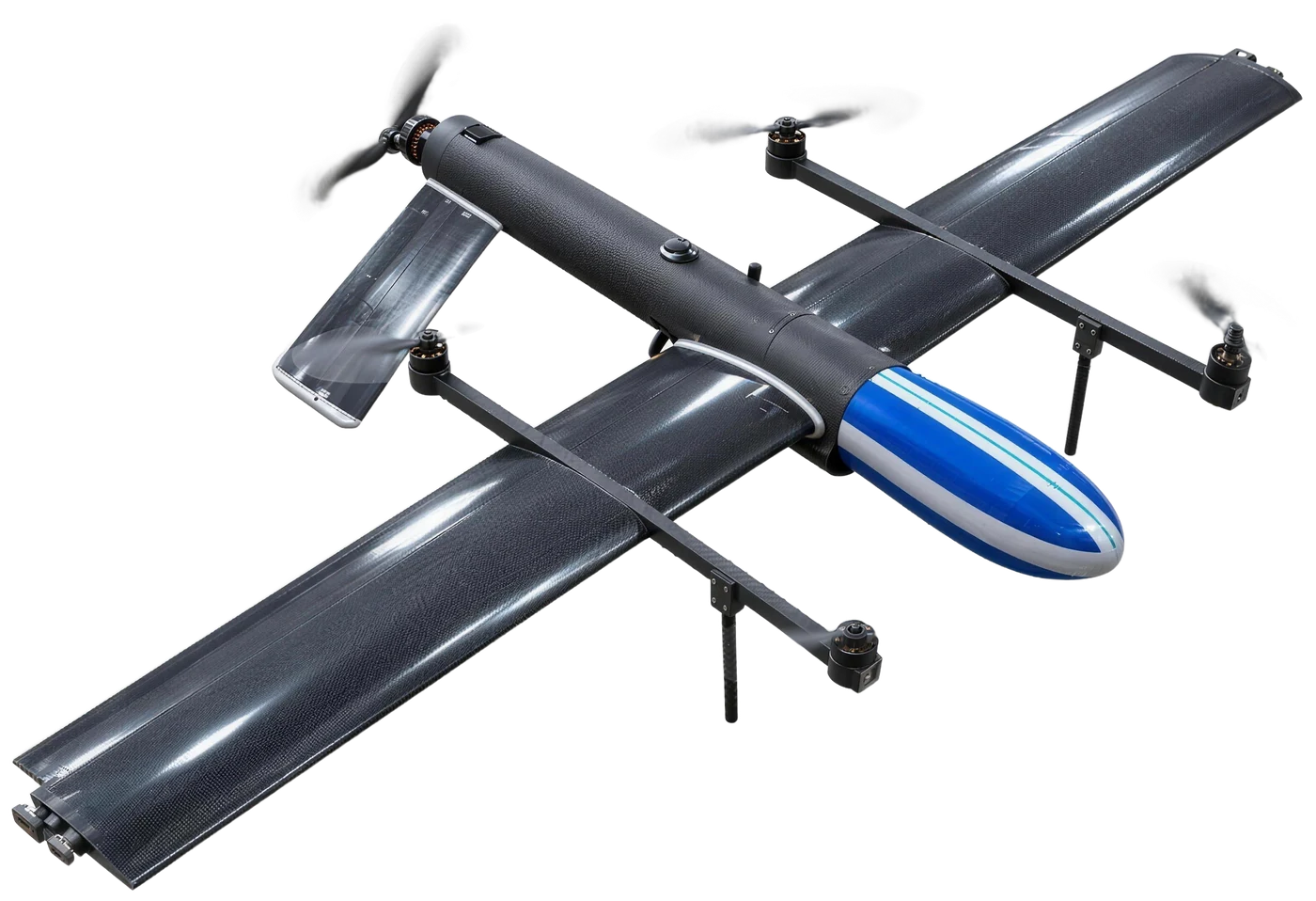
- 7,000 m ceiling
- 60–120+ min
- 5–30 km link
- −30 °C start
Hybrid VTOL · High-altitude tactical surveillance UAV
Vertical take-off with fixed-wing endurance, configured for persistent EO/IR observation in cold, windy and GPS-degraded environments.
View product →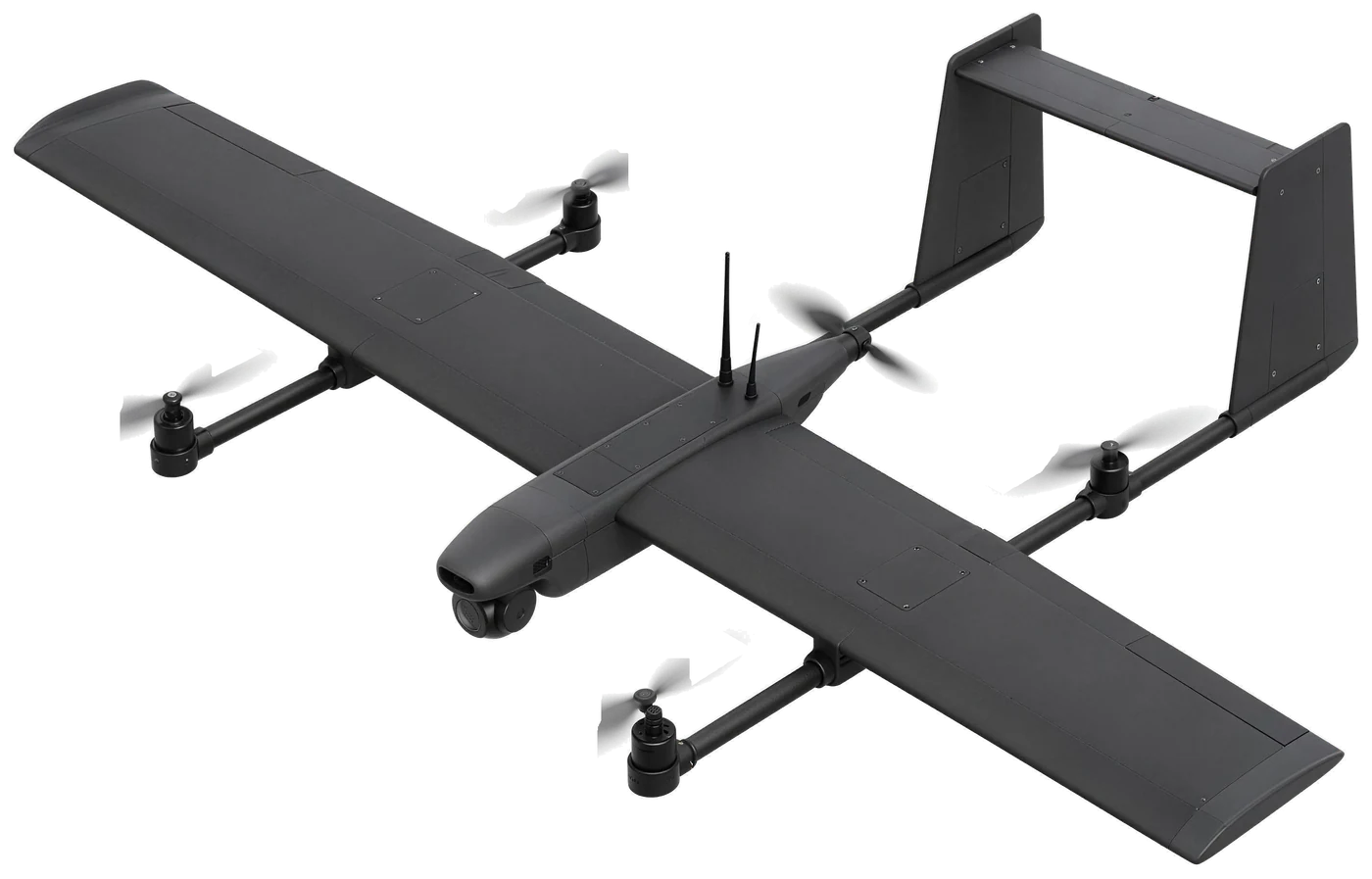
- No runway
- 2.5 h
- 50 km
- >5,000 m
CONV V5 · Fixed-wing VTOL
A fixed-wing VTOL that launches vertically and cruises on its wing, with 2.5 hours endurance and a ceiling above 5,000 m.
View product →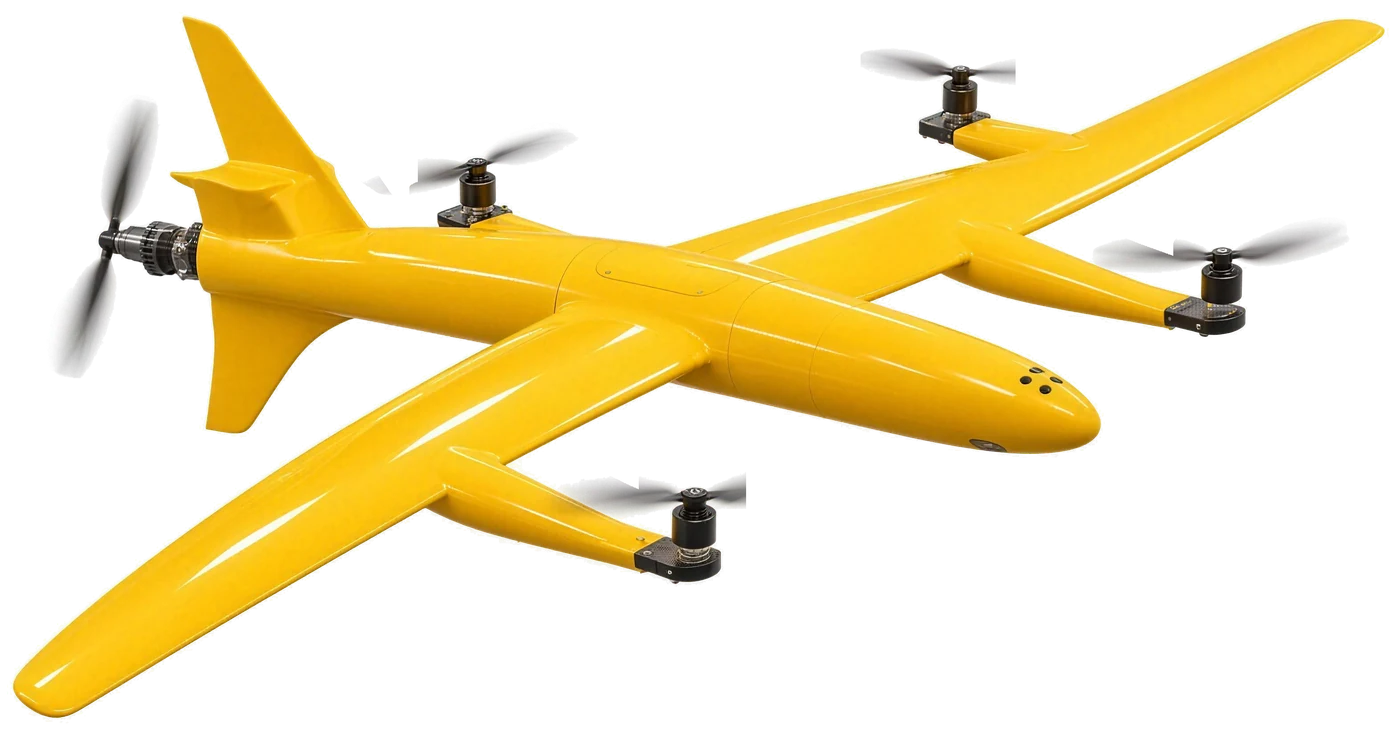
- 3.5 m VTOL
- 4 h
- 150 km
- Up to 5 kg
ADS-35 VTOL · VTOL aircraft, 3.5 m
A 3.5 m VTOL aircraft for long-range work: 150 km range, 4 hours endurance and up to 5 kg payload.
View product →Talk to our team
Request a quote
Tell us what you need from the SE-2C. We reply within one business day with a budgetary quote, a demo slot or the documents your tender needs.
- 1 dayResponse time
- GeMTender support
- IndiaDesigned & built