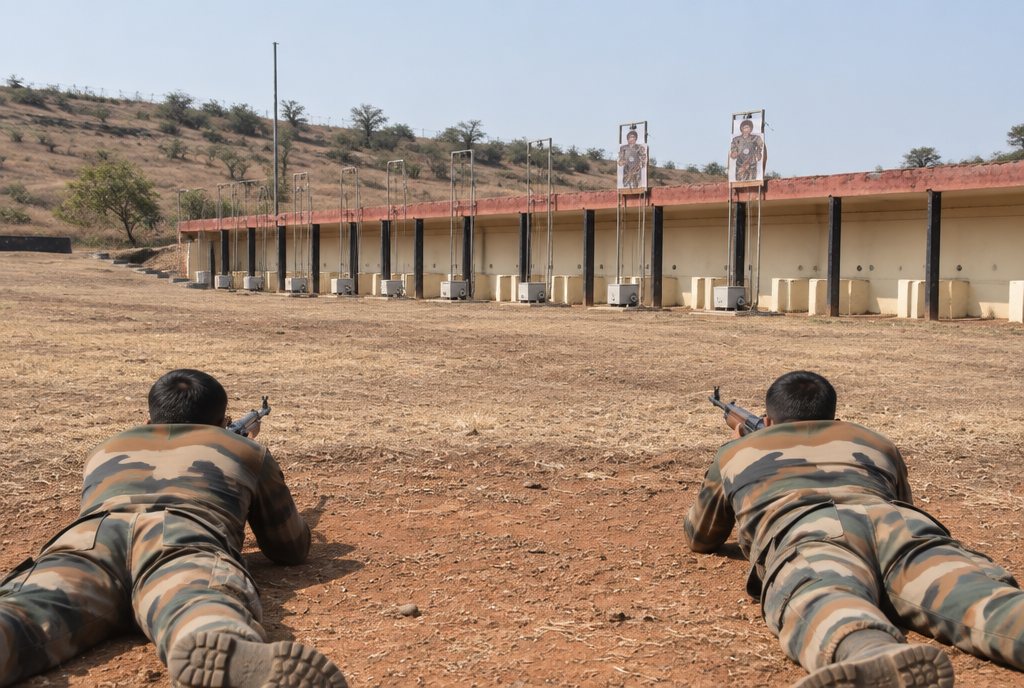
Real targets rarely stand still. A moving target crosses the range so firers learn to track and engage a target on the move. This guide sets out what to look for, using our Moving Target System as the example.
Turning, pop-up or moving: what is the difference?
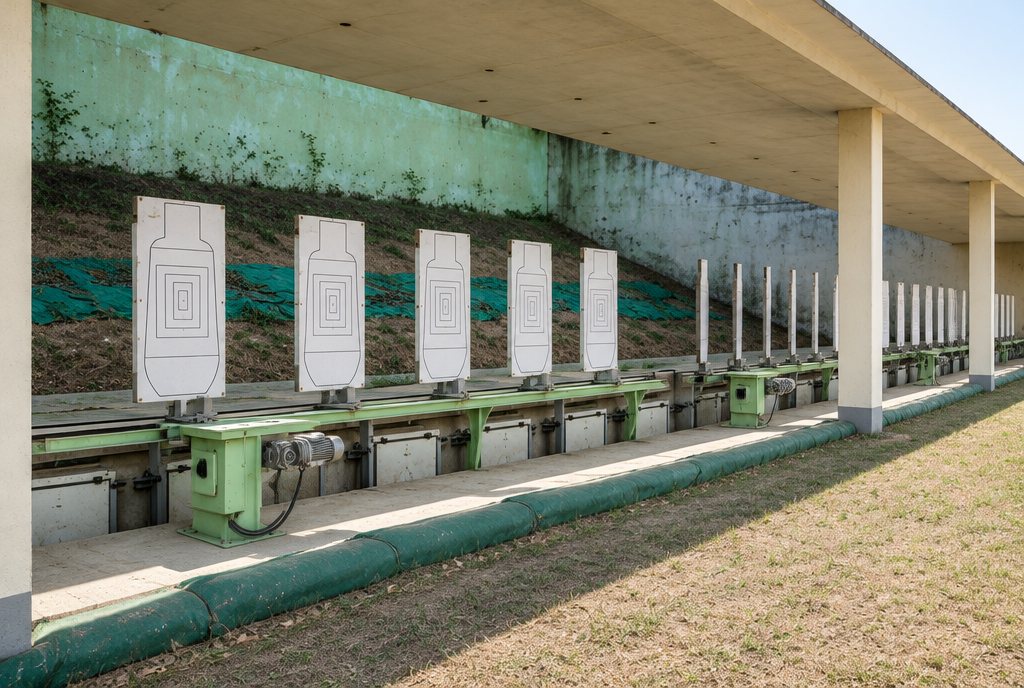
| Turning targets | Pop-up targets | Moving target | |
|---|---|---|---|
| Movement | Turns face-on to expose, edge-on to hide | Rises and falls (single-function), or pops up, slices and rotates (multi-function) | Crosses the range on a track, carrying the multi-function box |
| Position | Fixed, in sets of five in the butt gallery | Fixed, in the butt gallery or in front of the butt | Moves along the track in both directions |
| What it trains | Identical exposures for a whole detail | Finding and engaging a target that appears | Tracking and engaging a target on the move |
| Control | One motor and push-bar per set, from range control | Handheld remote, 8-channel console or range PC | Remote start, stop and speed, or the range PC |
What does a moving target system do?
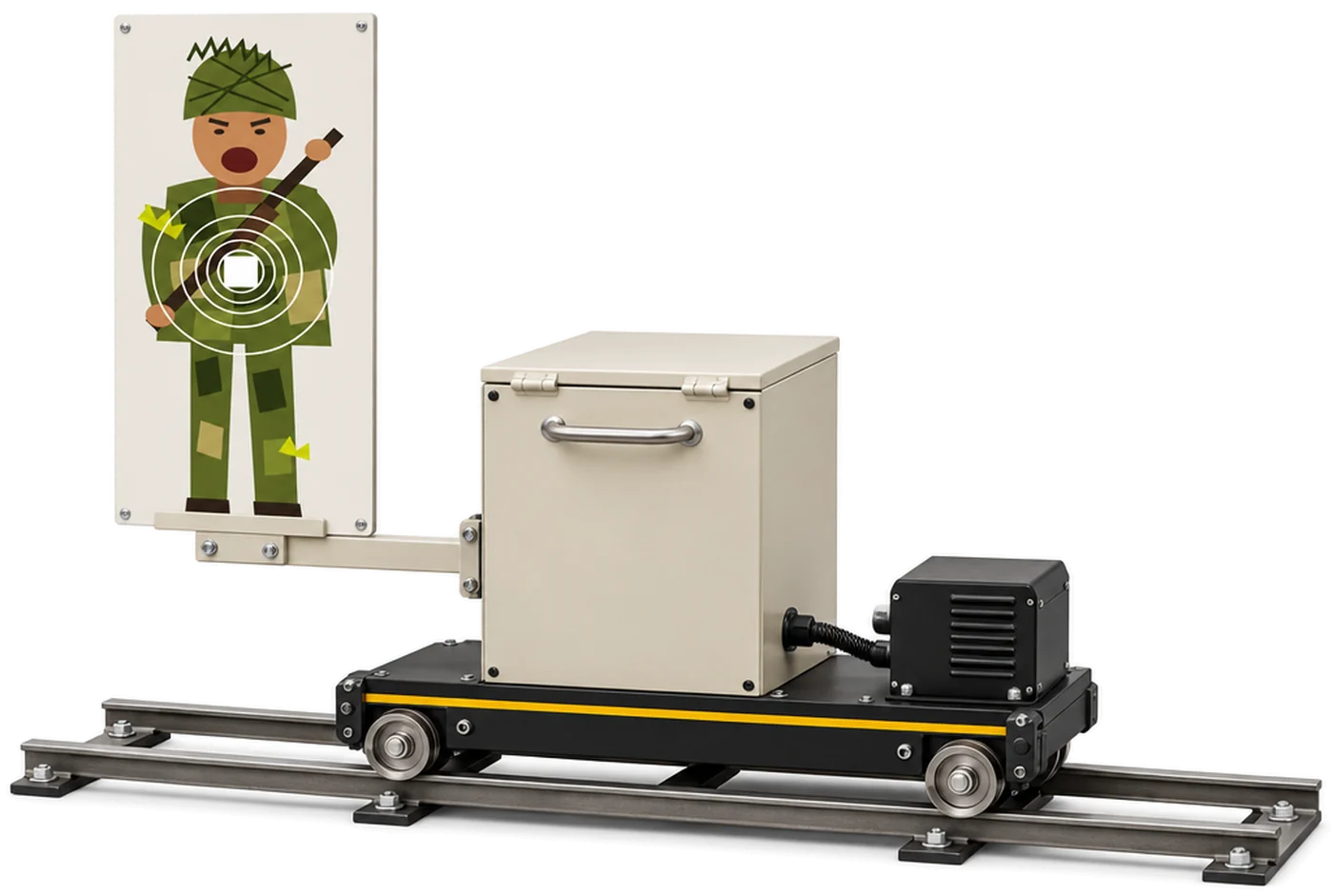
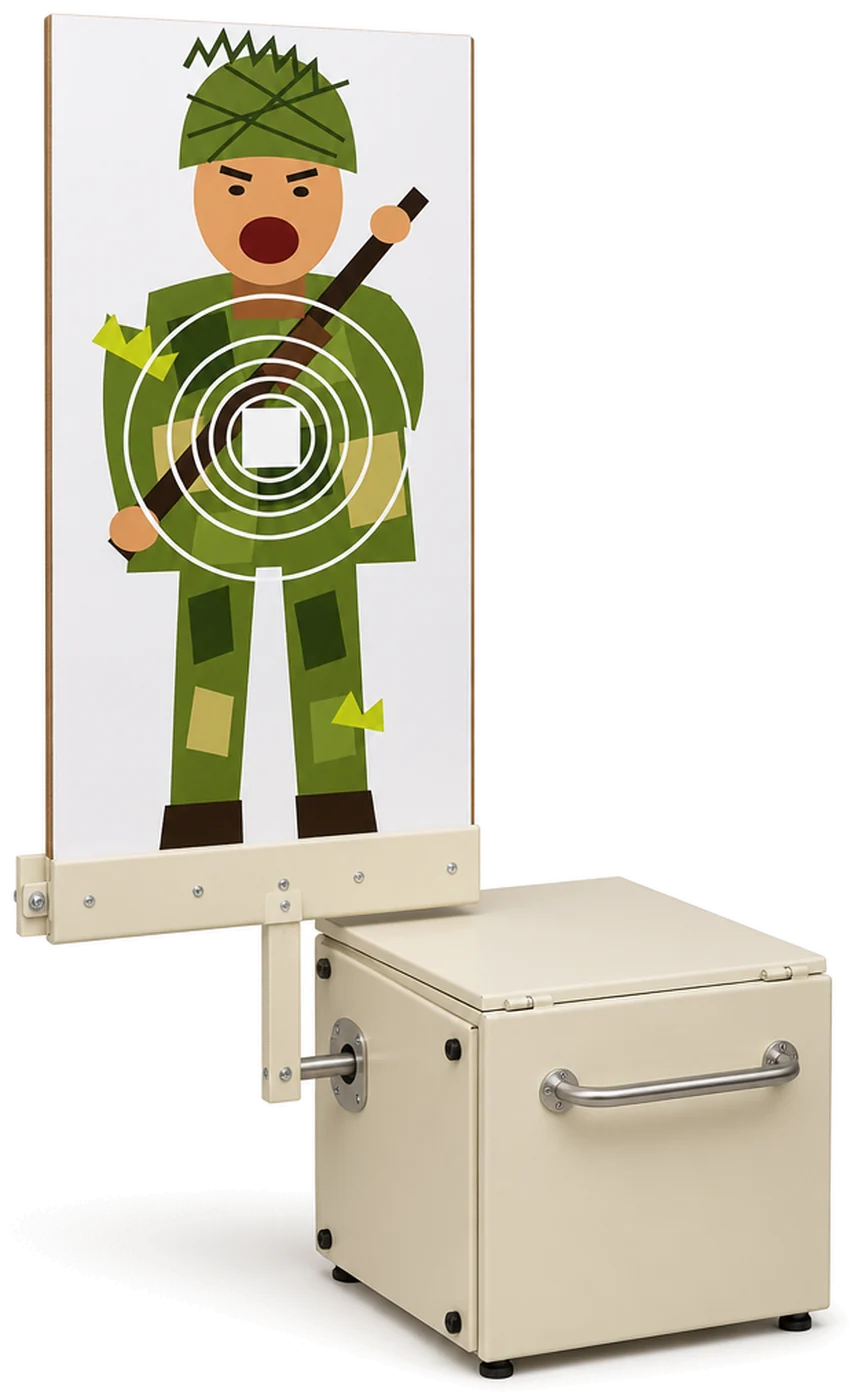
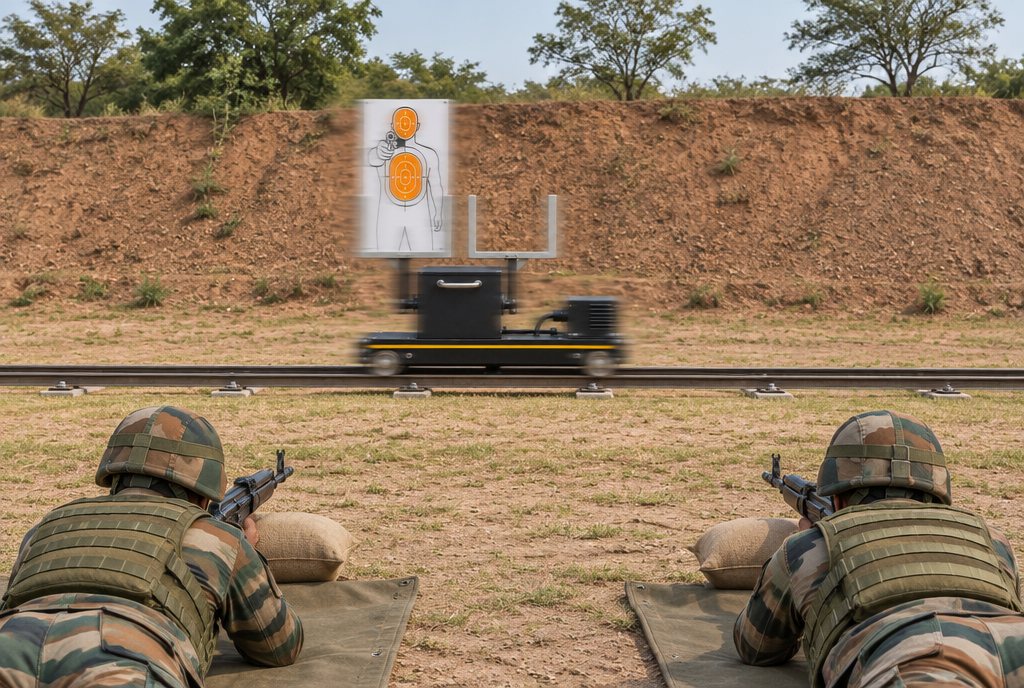
Our Moving Target System puts a trolley on a steel track in front of the firers. The trolley carries the full multi-function target box, so the target does not just cross the range: the face can pop up, turn and rotate while it moves.
That lets one target run crossing drills, moving-and-reacting drills and night practice.
Which speeds and patterns do you need?
The trolley runs at slow, medium or fast speed, in both directions and in set patterns. Your practice tables decide what the target represents and how it should move; check that the system's speeds and patterns cover every practice you run.
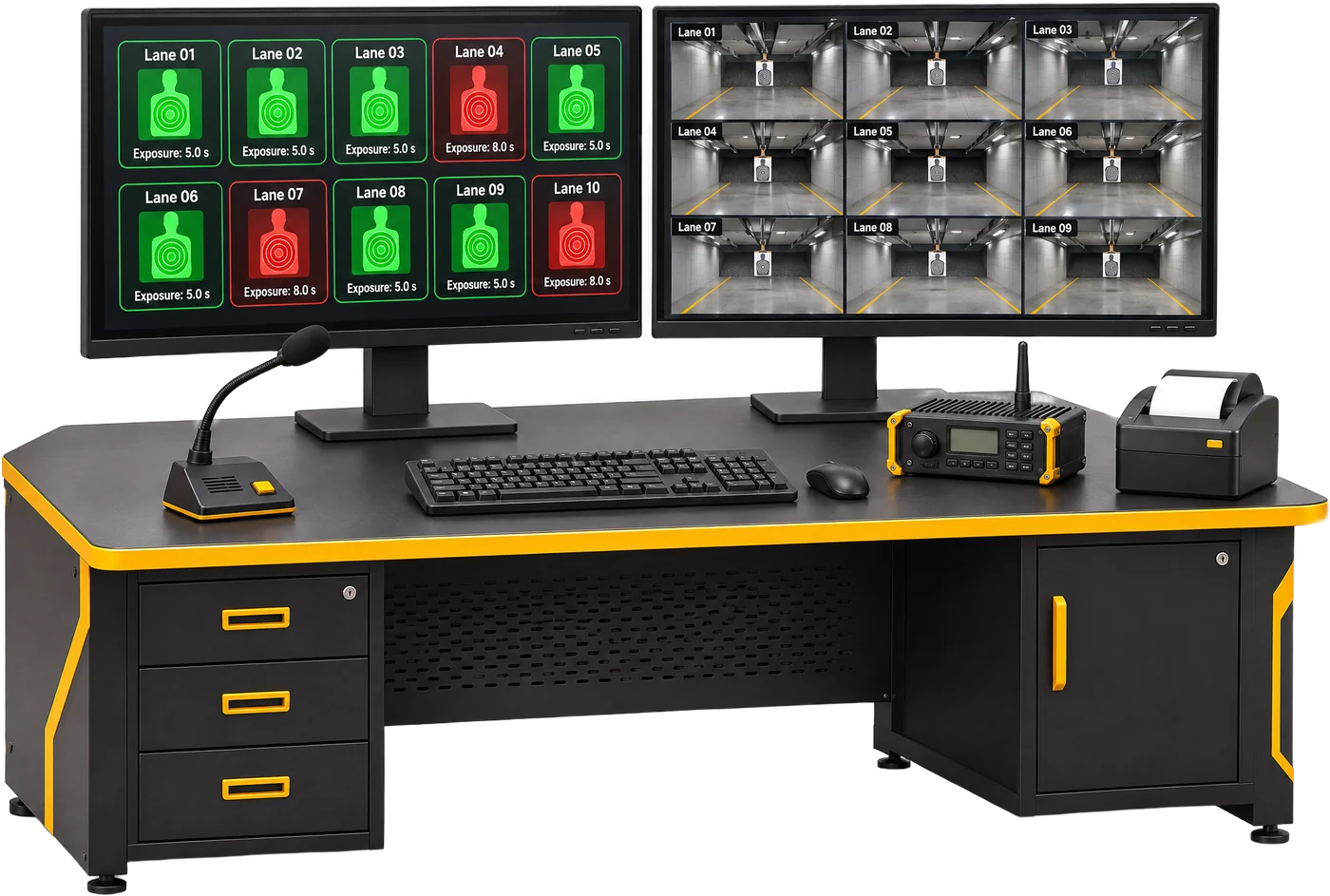
Start, stop and speed are set from the handheld remote or the range PC.
What track and site work does it need?
The steel trolley track is rated for a 400 kg static load and laid in straight runs to suit your range. The outdoor steel frame is weather-resistant.
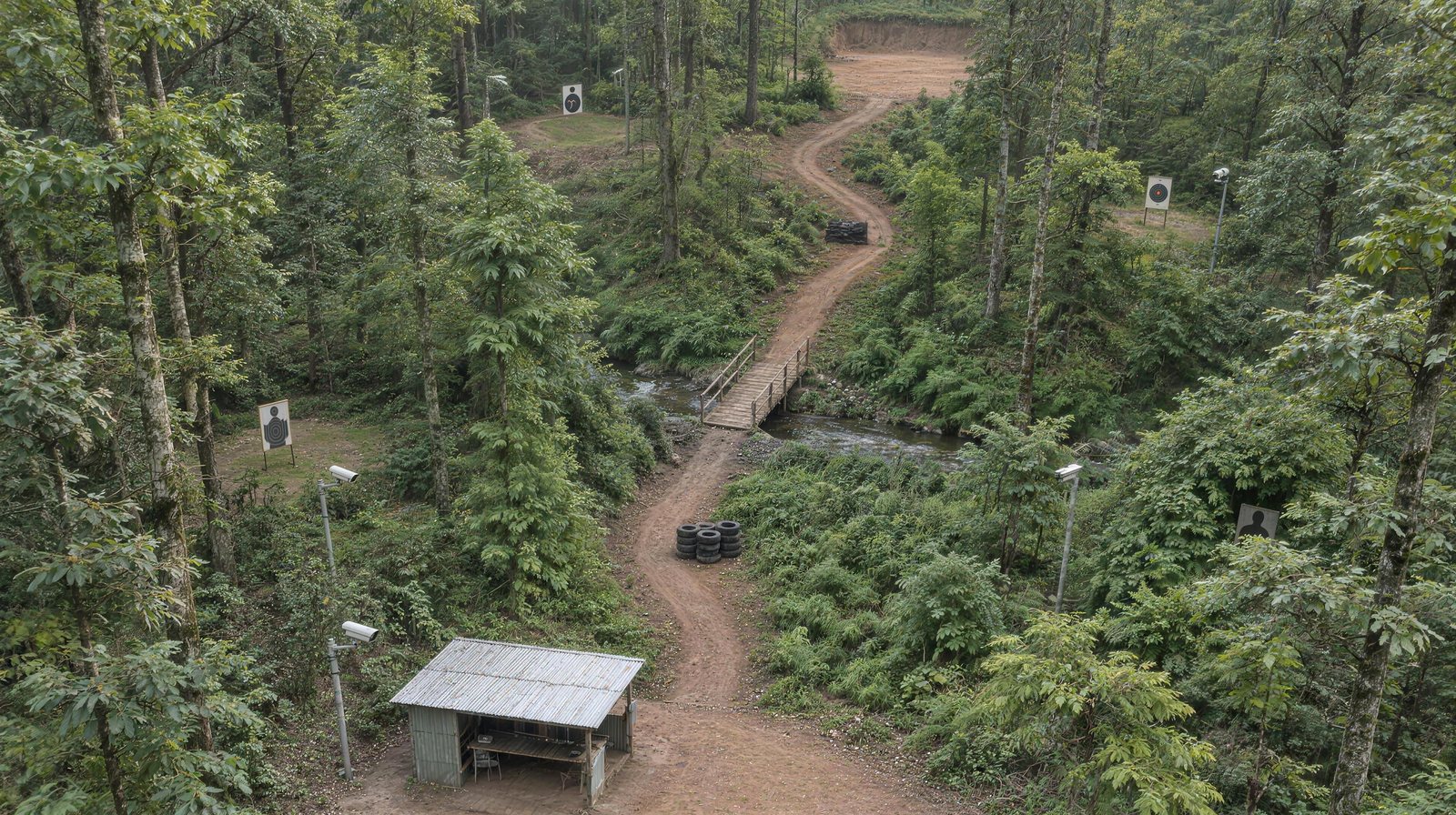
Plan the track run, the cable route and the protection in front of it at the site survey, together with your danger areas. Indoors, our indoor range can take horizontal and overhead moving targets.
Can moving targets be used at night?
Yes. Thermal and night-vision reflective target faces let firers practise with night sights and thermal imagers. The multi-function box also has a dimmable moonlight-white lamp, switched from the remote.
What to specify
- Track length and layout for your range
- Speeds, directions and patterns your practices need
- Target movements on the move: pop-up, turn and rotate
- Control: remote and range PC, and the link distance
- Night faces: thermal and night-vision reflective
- Hit sensing and stored results with your other targets