Forward posts, flood-hit villages and remote work sites all depend on supplies that are hard to deliver. Trucks cannot always get through, and helicopters are costly to fly for small loads. A heavy-lift cargo drone fills the gap with short, repeated runs. This guide explains what to check before you buy one.
What is a cargo drone used for?
- Forward-post resupply: rations, water, medical kits and spares to high-altitude and border posts.
- Field logistics: stores and equipment moved between units across desert and open terrain.
- Disaster relief: food, medicine and essentials where roads are cut.
- Industrial supply: tools, spares and equipment for remote sites and towers.
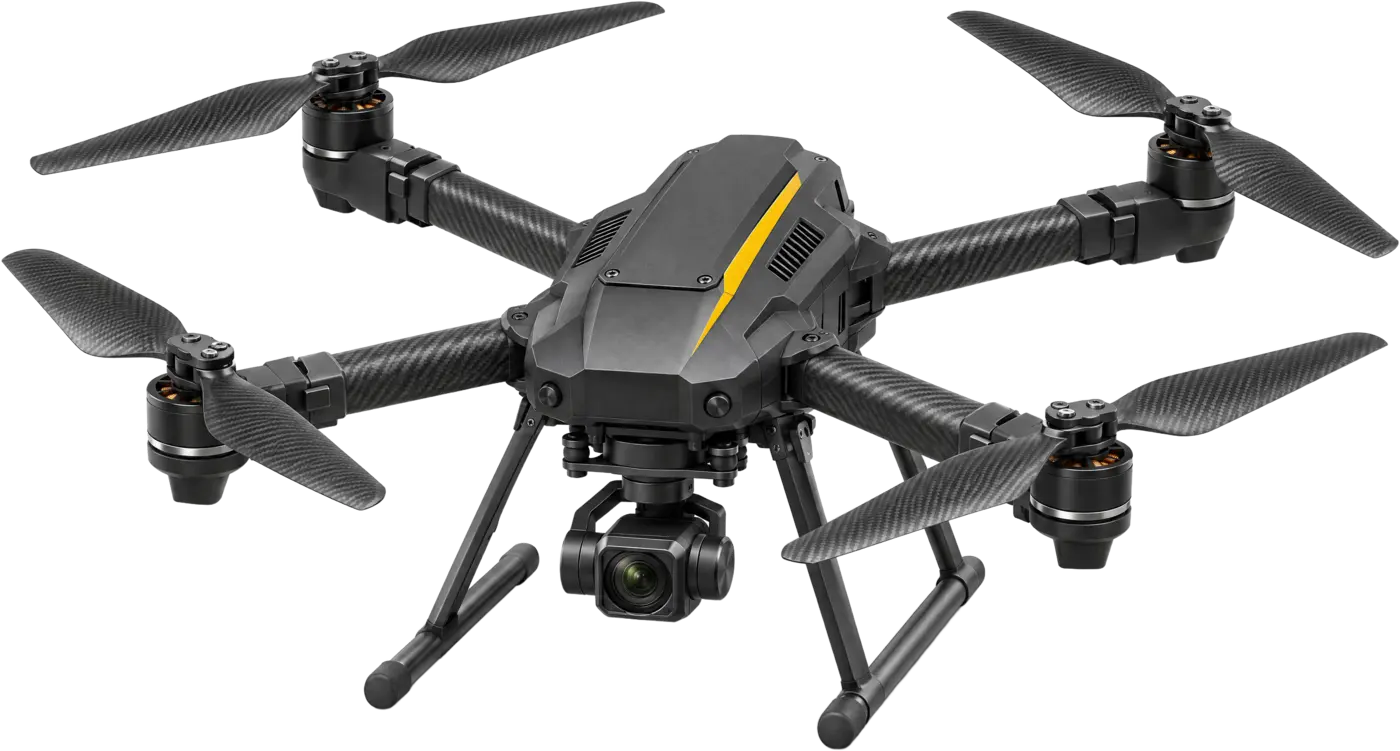
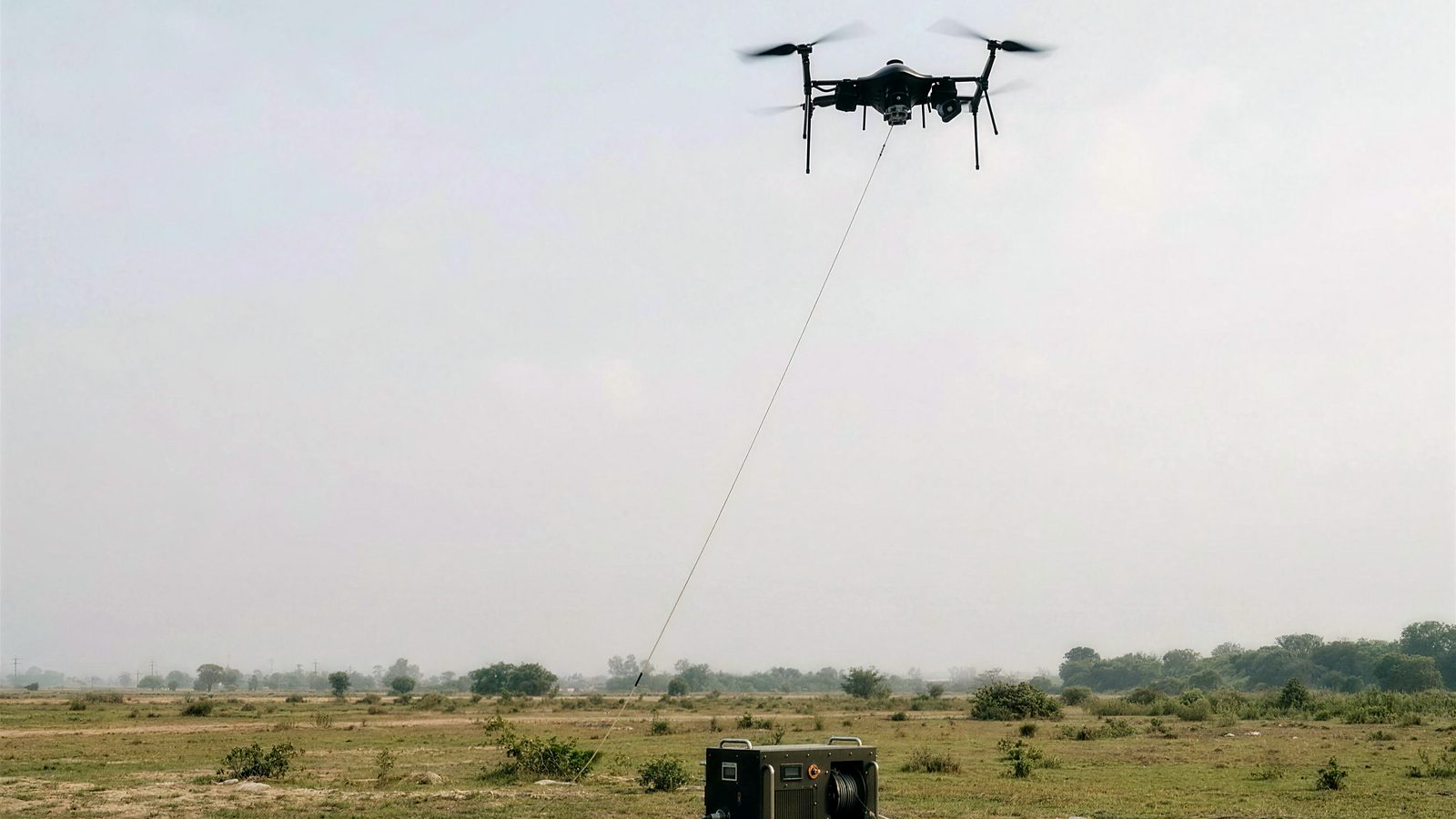
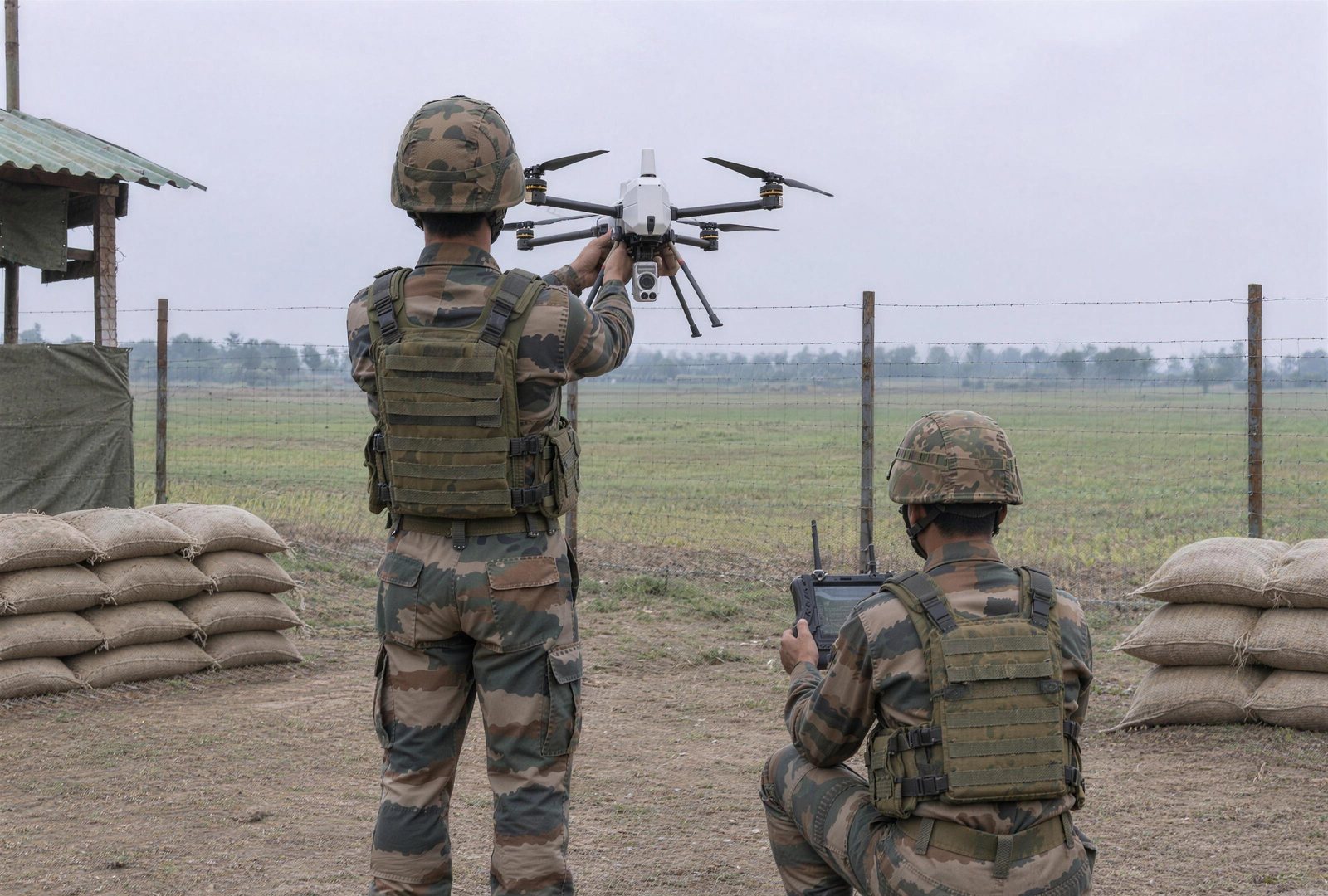
For light drops of a few kilograms, a surveillance multicopter may be enough: the MQ-750 MKIII lowers up to 4 kg of supplies to people cut off by floods. For real loads, you need a heavy-lift platform.
Which figures decide whether it can do the job?
| Figure | Why it matters | Electric X8 |
|---|---|---|
| Payload | How much each sortie moves, and so how many sorties a day you need | 80–120 kg |
| Range | Plan the whole trip, including the way back | 25 km |
| Flight time | Time for the trip, the drop and a safety margin | 30 min |
| Cruise speed | Sets how long each leg takes | 50 km/h |
| Turnaround | How quickly it can fly again after landing | 2 × hot-swappable Li-ion packs |
| Operating temperature | Cold mornings and hot afternoons both change performance | −10 °C to +45 °C |
| Navigation and link | Getting there accurately and keeping control | GPS / GNSS, RTK-ready; encrypted data link |
| Take-off and landing | Workload on the crew at each end | Automatic or manual |
Payload and range figures depend on configuration. Always ask for the figures with the load you plan to carry, not the best case.
Electric drive: what it gives, and how to plan around batteries
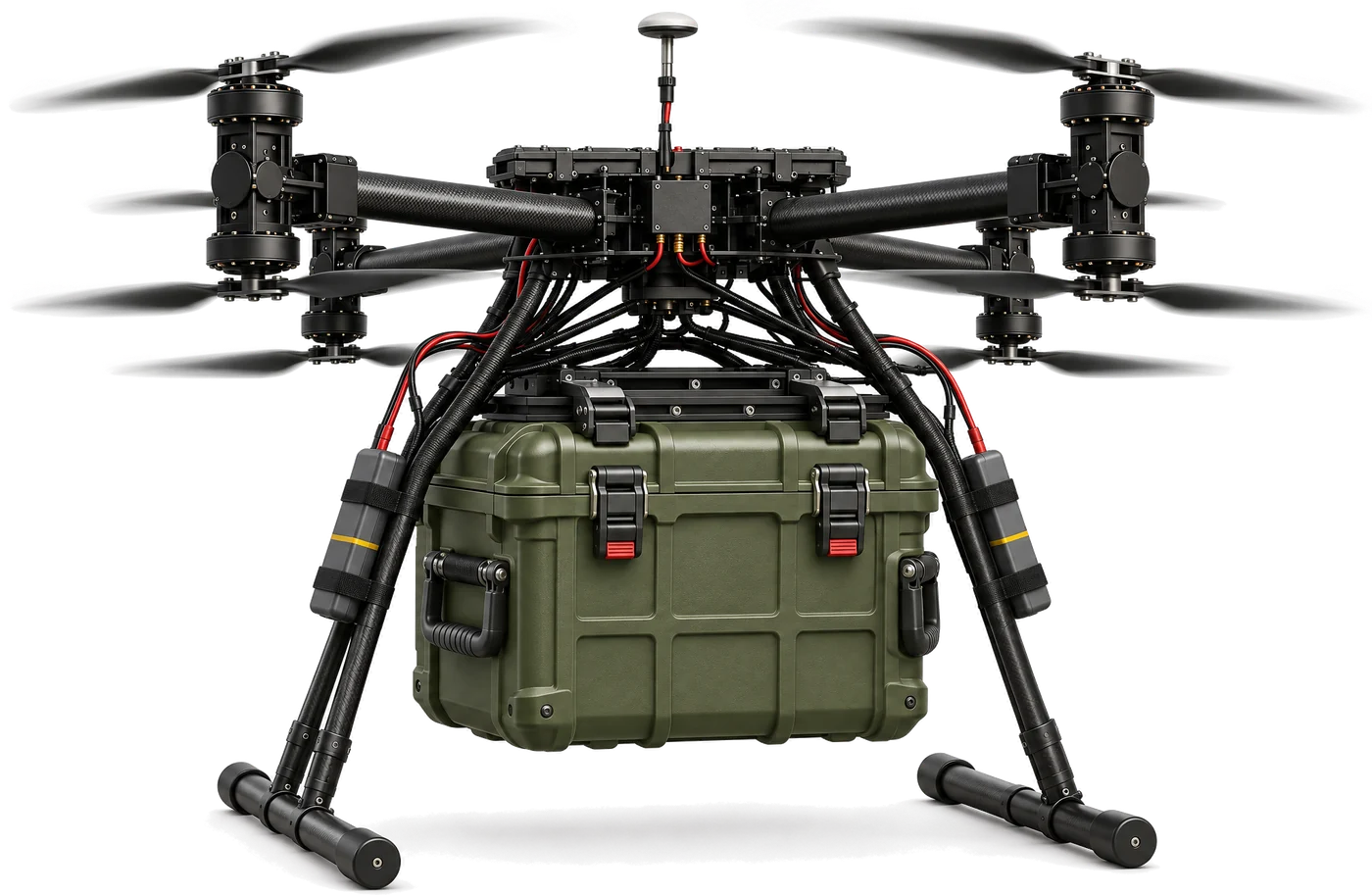
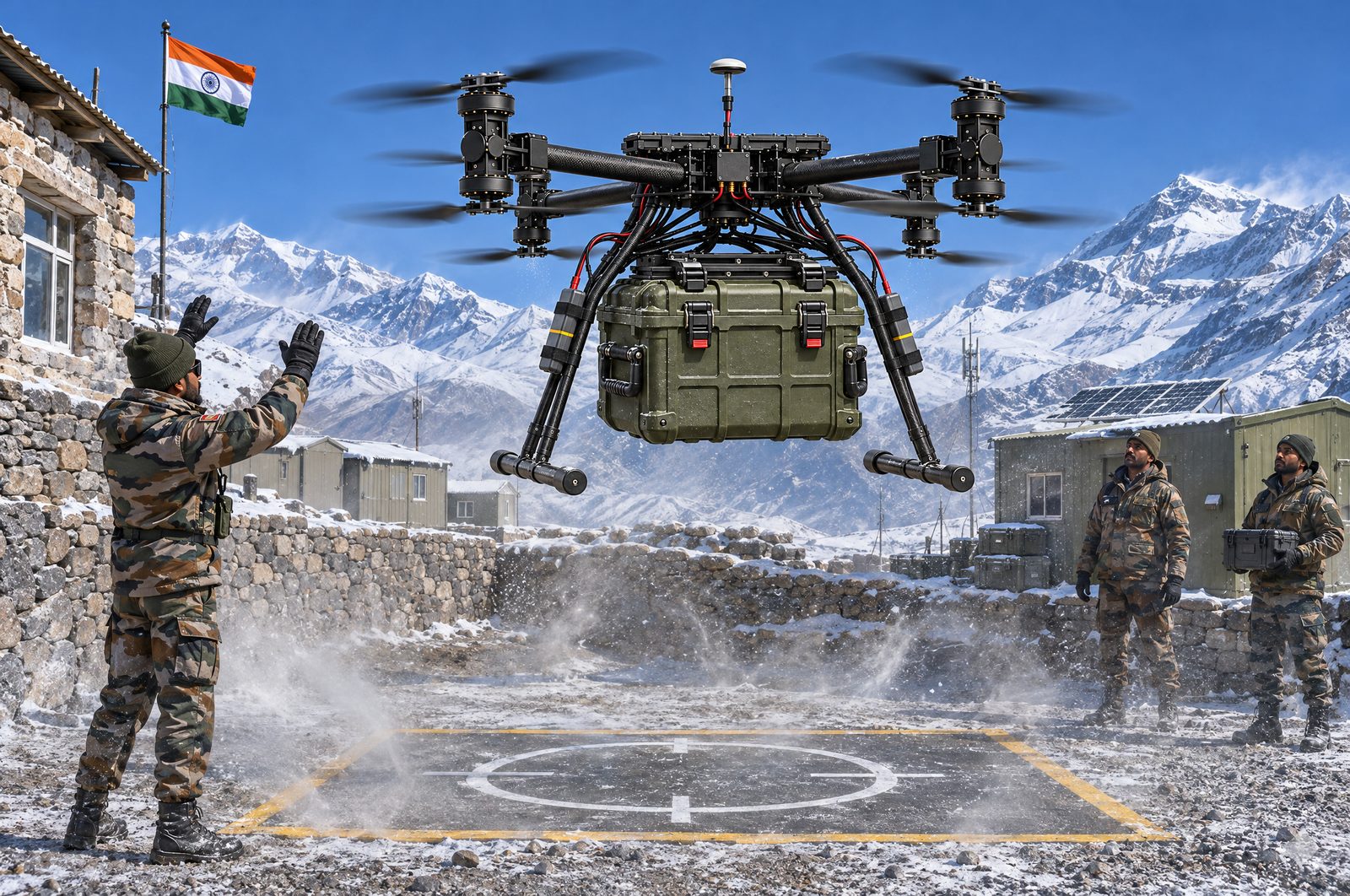
The Electric X8 runs eight brushless motors on two high-energy Li-ion packs. Electric drive is quiet, has zero emissions and costs little to run, and the modular build makes field maintenance straightforward.
Battery packs set the length of each sortie, so plan the operation around turnaround: land, swap the packs, reload the pod and relaunch. Keep charged packs at the launch site, and plan charging for the number of sorties you need in a day.
Altitude, cold and weather
Thin air at high posts means less lift from every rotation of the propellers, and cold reduces the usable capacity of lithium batteries. A drone that lifts its full rated load on the plains may carry less at a mountain post.
Ask for payload and flight time at the altitude and temperature of your own posts, and for the wind limits for take-off, cruise and landing. Our guide to high-altitude surveillance drones explains why altitude changes the numbers.
Loading, landing and safety
- Detachable pod: the military-green cargo case unlatches from the airframe for loading and clips back on with quick-release latches.
- Landing site: a clear, level area at each end, marked and briefed to the receiving party.
- Fail-safes: a flight controller with fail-safe protection and an encrypted data link.
- Day and night: the Electric X8 is suited to day and night operations, with automatic or manual take-off and landing.
Questions to put in your QR
- Payload at your altitude and temperature, and range with that payload
- Flight time with reserve, cruise speed and battery turnaround time
- Wind and temperature limits for take-off, flight and landing
- Cargo pod size, loading method and release or delivery method
- Navigation, link encryption and behaviour on link loss
- Night operation, and automatic take-off and landing
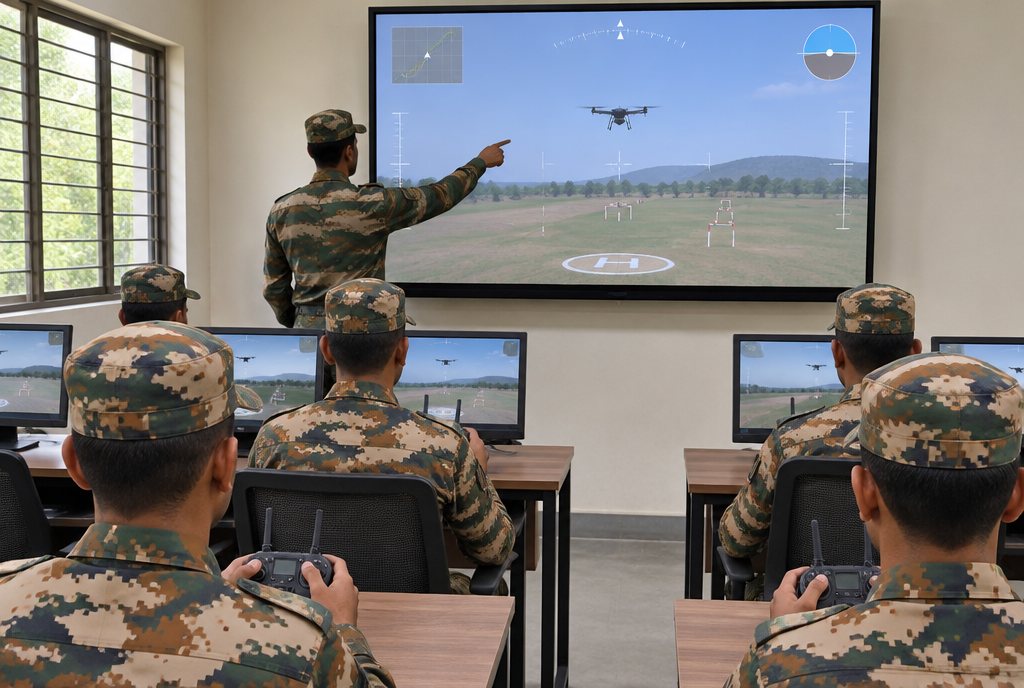
- Charging equipment, spare packs, field maintenance and crew training
Check the current DGCA rules and your service's own regulations for cargo flights before you plan routes.